Matcha in history
Matcha is a type of powdered green tea that has won over the worldwide population with its health-promoting effects in the past few years. But little is known about the ins and outs of matcha in Japanese culture.
As early as the 8th century, tea was first brought from China to the royal family and religious figures in Japan. In fact, the practice of consuming powdered tea is also believed to originate in China. The Chinese compressed fermented tea into bricks for better storage and ground shaved-off tea leaves into power when needed. When whisked into hot water, a tasty beverage that helps the Buddist monks stay awake is ready to be served.
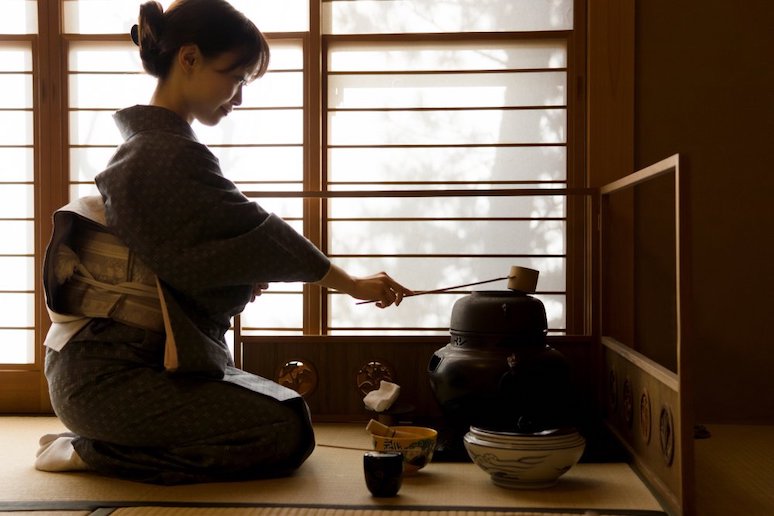
In the 12th century, Buddhist monk Eisai brought back powdered green tea and started to plant green tea seeds around monasteries. As a firm believer in matcha's health properties and religious applications, Eisai contributed to the early form of the traditional Japanese tea ceremony. By the 13th century, the consumption of matcha was no longer a strictly religious practice. It became a symbol of status and luxury, as the tea farmers in Uji, Japan, invented the shading practice of growing matcha.
- Page: 1 of 4
- Next
Was this page helpful? Give us a thumbs up!