Take-away message
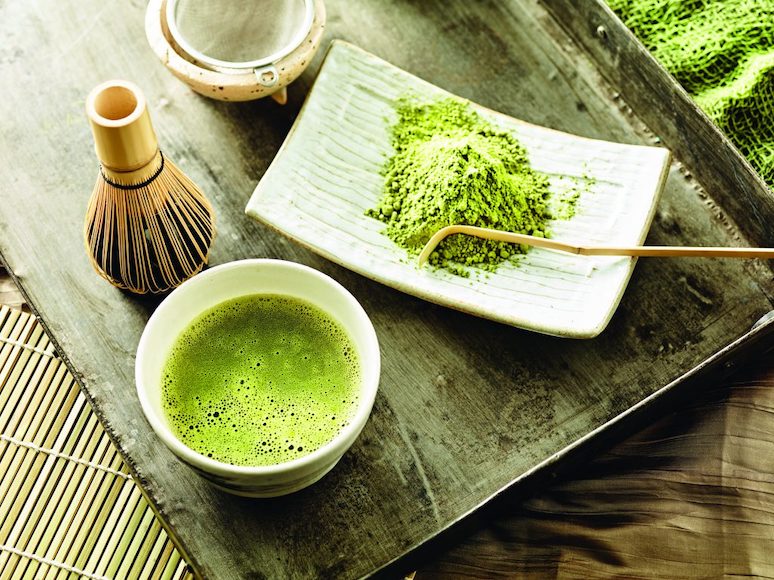
Green tea has long been a significant element in Japanese culture. It is believed that powdered green tea was brought to and perfected in Japan in the 12th century, though it is no longer in use in its birthplace, China. The world-renowned Uji matcha with a bold, smooth taste was first popularized when the local tea farmers invented the bamboo-and-straw shading technique inspired by the nearby forest-filled tea fields.
Through limited exposure to the sun, abundant antioxidants are produced, including chlorophyll, theanine, and catechins. Even though these compounds are associated with various health-promoting effects, more research is needed to determine matcha's net effect and the mechanisms behind them. That's why it is important to think twice before falling for marketing techniques that label matcha as a superfood. An alternative approach to a healthy eating habit is to focus on the super plate, which visualizes the ideal portions of staple foods, veggies and fruits, protein, and fats in an easy-to-put-into-practice way. Instead of limiting yourself to certain pricy "superfoods", having a well-balanced diet appears to be a more economical, sustainable way of healthy living.
References
- Japan's most prestigious matcha by BBC
- Health Benefits and Chemical Composition of Matcha Green Tea: A Review by Kochman et al.
- The History of Matcha in Japan by Mizuba Tea Co.
Thank you for reading until the last page! We would love to hear your opinions and feedback. Click the thumbs-up below and type in what you want us to know. Alternatively, you could shoot an email to [email protected].
Was this page helpful? Give us a thumbs up!